- jeffchen@packagedbox.com
- +86-15767637578
- Language
 English
 Español
 Português
 русский
 Français
 日本語
 Deutsch
 tiếng Việt
 Italiano
 Nederlands
 ภาษาไทย
 Polski
 한국어
 Svenska
 magyar
 Malay
 বাংলা ভাষার
 Dansk
 Suomi
 हिन्दी
 Pilipino
 Türkçe
 Gaeilge
 العربية
 Indonesia
 Norsk
 تمل
 český
 ελληνικά
 український
 Javanese
 فارسی
 தமிழ்
 తెలుగు
 नेपाली
 Burmese
 български
 ລາວ
 Latine
 Қазақша
 Euskal
 Azərbaycan
 Slovenský jazyk
 Македонски
 Lietuvos
 Eesti Keel
 Română
 Slovenski
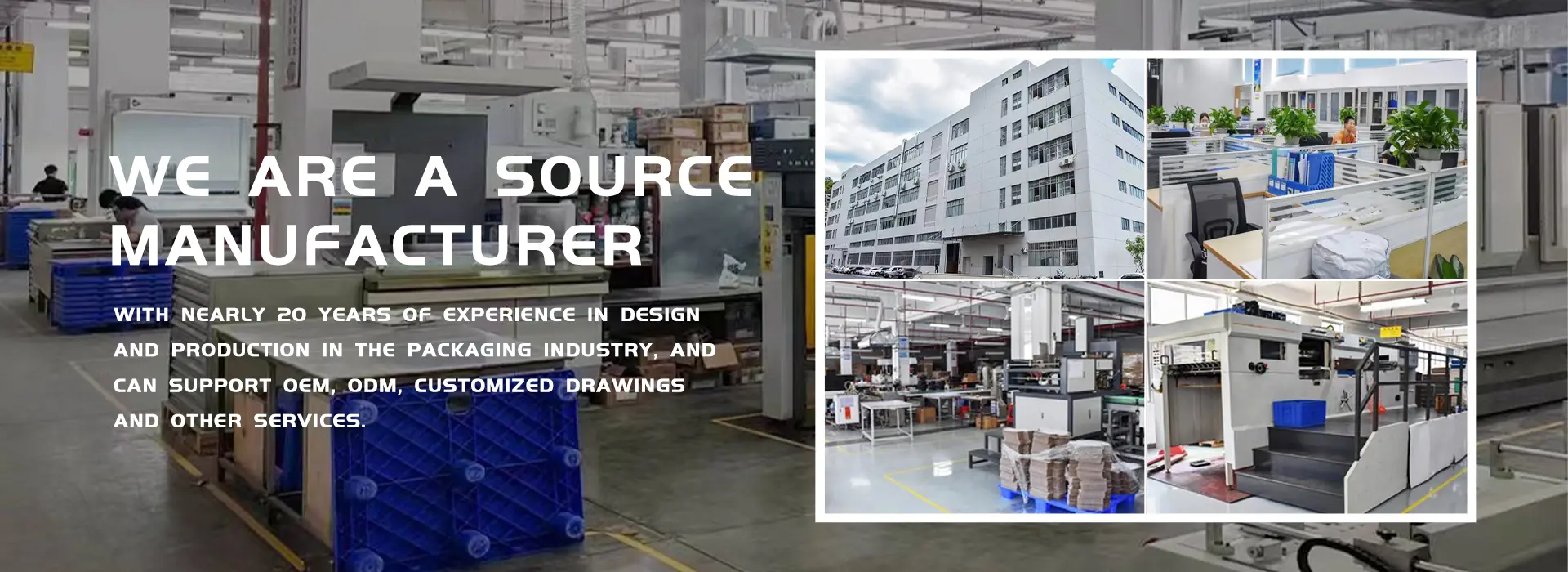
How an LCD Video Greeting Card Is Produced in Our Factory
Our LCD video brochure cards are a printed booklet combined with an electronic playback module, so its production runs through both paper packaging and electronics assembly. Understanding the factory workflow shows how the cover, board, screen, speaker and video come together into one finished card. This guide walks through the LCD video greeting card production process at Rophone, from prepress and board making to module fitting, video loading, inspection and packing, so buyers can see how our LCD video brochure cards are manufactured.
1. Prepress and Artwork Preparation
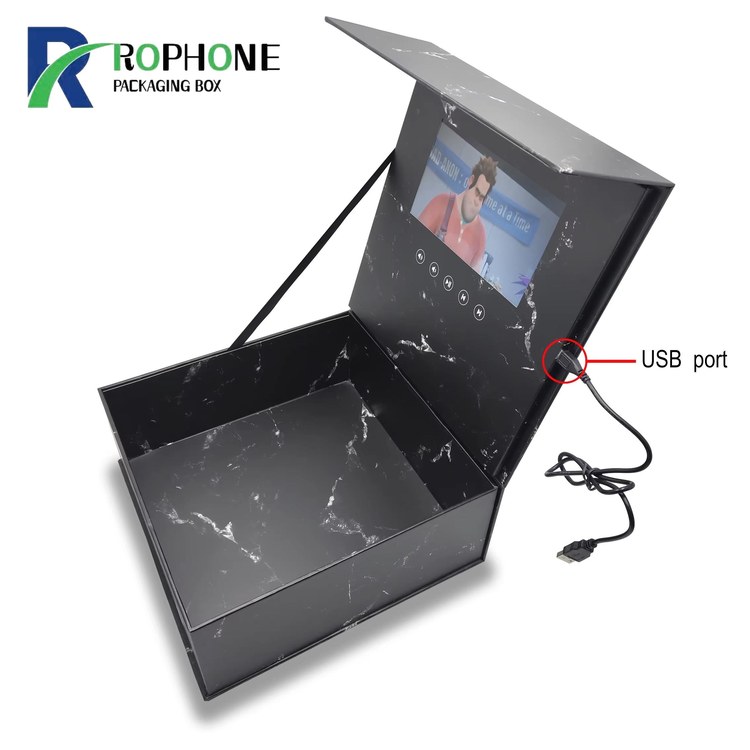
Production begins with the approved artwork for the LCD video greeting card. Cover design, inner pages, screen cut-out, speaker slots and button positions are laid out around the module size, and files are checked for color, bleed, fold lines and text accuracy. The prepress stage confirms the booklet dimensions, panel layout and where the LCD screen, controls and USB port will sit inside the printed card.
Rophone reviews the artwork against the chosen module and video before any board is cut. This stage prevents layout problems later, such as artwork sitting too close to a fold or screen window. Once the proof is approved, the files move to printing and board production for the video brochure card, keeping the LCD video greeting card design matched to the internal electronics.
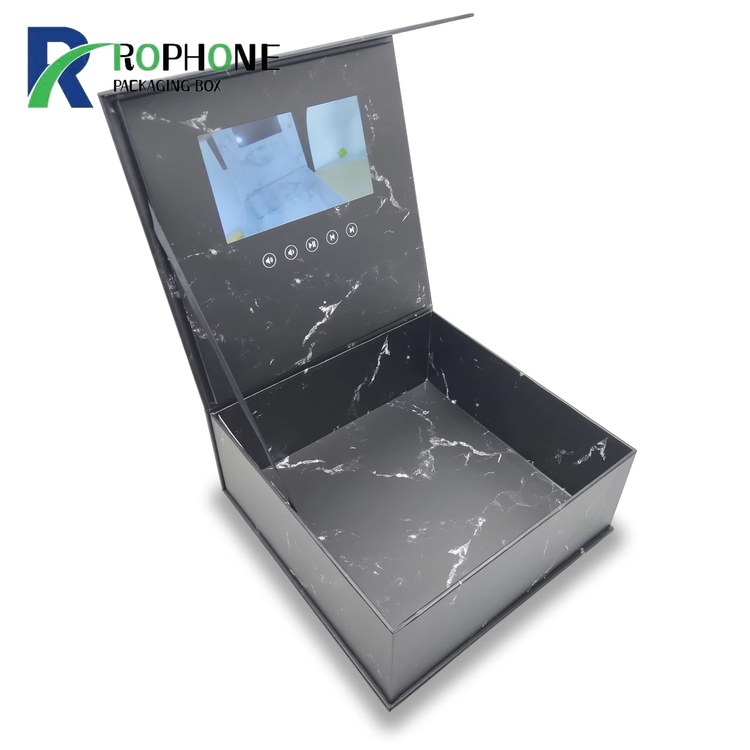
2. Board, Cover and Printed Page Production
The physical card is built from board or folded card covered with printed art paper. Grey board or card stock is cut to the booklet size, scored and folded to the required format, while the cover artwork is printed, laminated and finished to the approved design. Inner panels are printed to carry brand colors, product information and the printed bezel around the screen window.
Materials are selected to match the premium feel and mailing weight of the LCD video greeting card. Heavier board gives a rigid booklet, while lighter stock keeps the video brochure card slim and economical. Rophone cuts, prints and assembles the paper parts first, so the shell of the LCD video brochure card is ready before the electronic module is fitted.
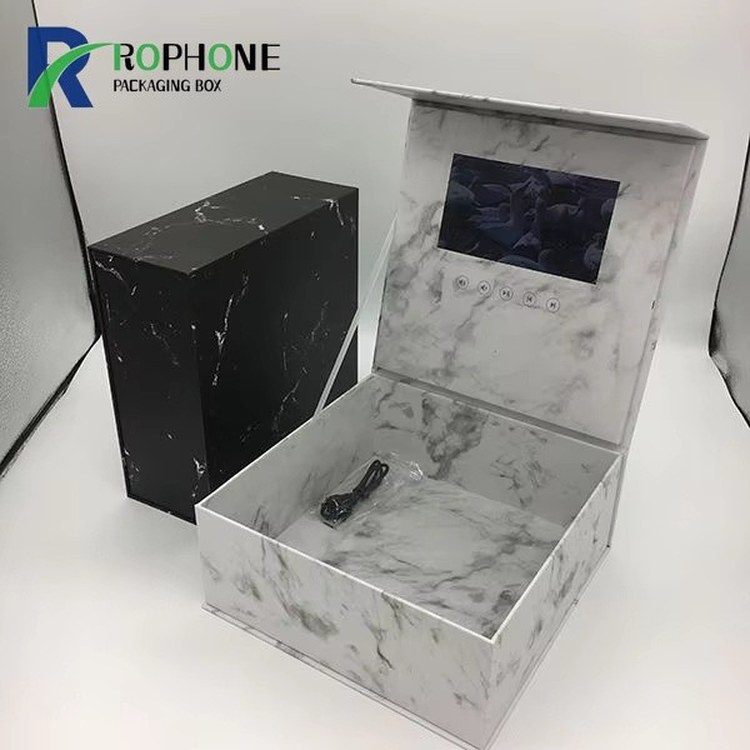
3. LCD Module and Speaker Fitting
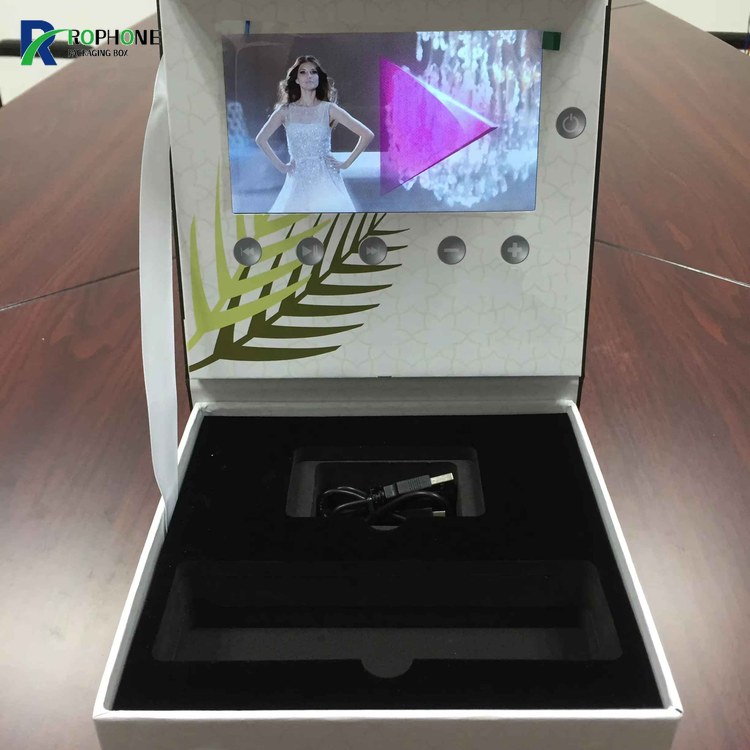
After the printed shell is ready, the electronic module is fitted inside the card. The LCD screen is set into the lid cut-out and aligned with the printed bezel, the speaker and control buttons are mounted in their positions, and the battery board is secured in the inner compartment. Wiring and connections are routed neatly so the module sits flat and the booklet closes properly.
Module fitting is where the packaging and electronics meet on an LCD video greeting card. Rophone checks that the screen displays straight, the speaker has clear sound and the buttons respond before the card moves to the next stage. The fitted video brochure card keeps the internal components protected by the board and printed cover throughout handling and mailing.
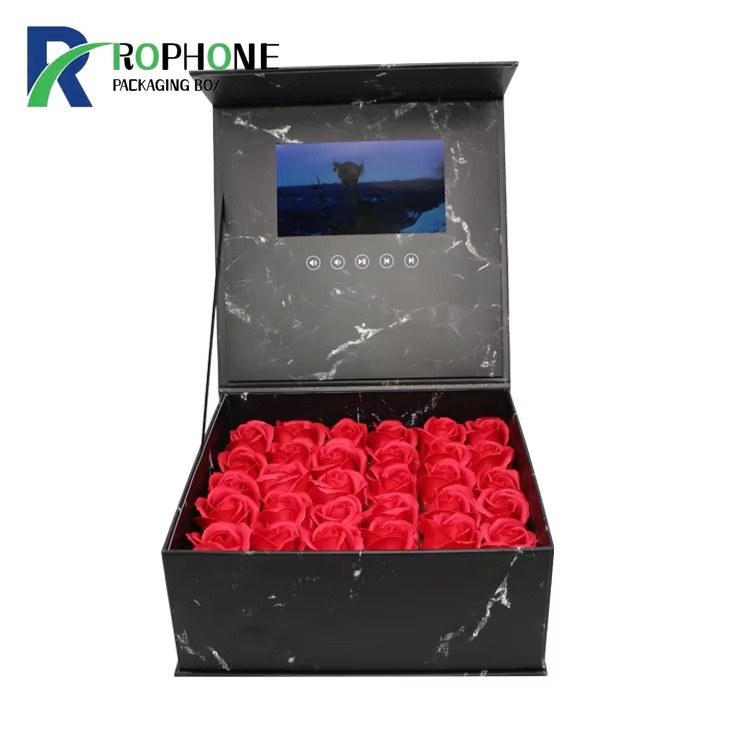
4. Video Loading and Final Assembly
Once the module is fitted, the approved video is loaded onto the card through the USB interface or production programming. The file is matched to the screen ratio and tested for playback, audio and loop settings. Inner pockets, ribbon, foam inserts or gift trays are then added, and the booklet is closed and checked for a neat fit.
Final assembly brings the printed cover, module, video and any inserts together into the finished LCD video greeting card. Rophone confirms the video starts on opening, the image fills the screen and the controls work, so the video brochure card reaches the customer ready to play. This stage also arranges any included cable, sample cards or packaging accessories inside the card.
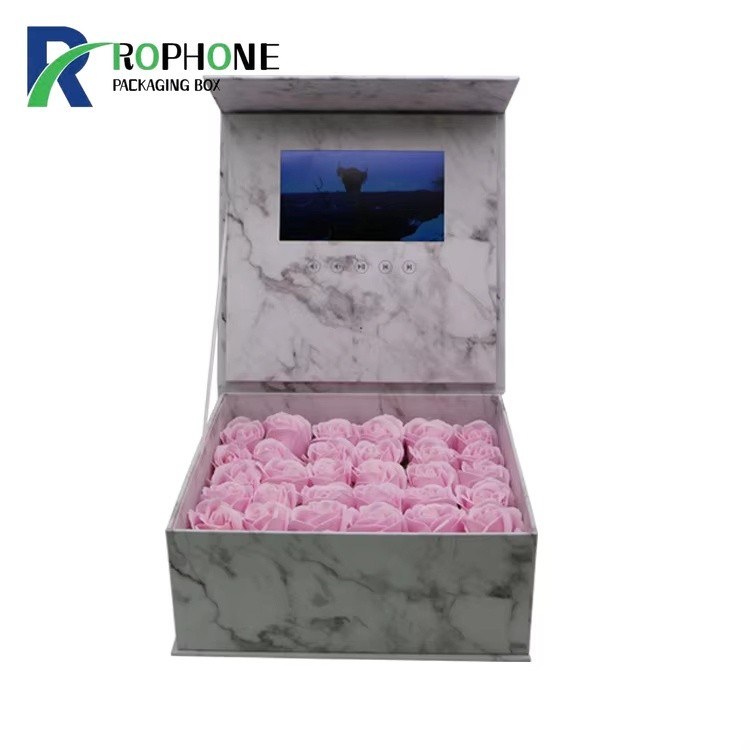
5. Quality Control and Final Inspection
Each LCD video greeting card goes through inspection before packing. Staff check the cover print, board construction, screen playback, speaker sound, button function and closing fit, and remove any units with printing or module issues. Cards that pass are grouped for the order, with playback and appearance rechecked before they move to packing.
This inspection stage protects batch consistency for the video brochure card, whether the run is a small personalized gift set or a larger marketing mailing. Related card styles and formats are listed in the full electronic greeting card range, and each production run follows the same QC steps approved for that LCD video greeting card design.
6. Packing and Production Capacity at Rophone
Passed cards are protected and packed for storage or export, with foam or divider protection to keep the screen and cover safe in transit. Rophone handles bulk runs of the LCD video brochure card across different booklet sizes, screens and cover finishes, and keeps approved artwork and samples for repeat orders. Production capacity is planned around quantity, module type and finishing level for each campaign.
If you are sourcing a branded video brochure card, our team can walk you through the production process from artwork to finished units, and advise on materials, module options and lead time. This is how each card is customized for your brand, with the LCD video greeting card built and checked through the same factory workflow.
Send Inquiry
-
WhatsApp
X
We use cookies to offer you a better browsing experience, analyze site traffic and personalize content. By using this site, you agree to our use of cookies.
Privacy Policy