- jeffchen@packagedbox.com
- +86-15767637578
- Language
 English
  Español
 Português
 русский
 Français
 日本語
日本語 Deutsch
 tiếng Việt
 Italiano
 Nederlands
 ภาษาไทย
 Polski
 한국어
한국어 Svenska
 magyar
 Malay
Malay বাংলা ভাষার
 Dansk
Dansk Suomi
Suomi हिन्दी
 Pilipino
 Türkçe
 Gaeilge
 العربية
 Indonesia
 Norsk
Norsk تمل
تمل český
český ελληνικά
 український
 Javanese
 فارسی
فارسی தமிழ்
தமிழ் తెలుగు
 नेपाली
 Burmese
 български
 ລາວ
ລາວ Latine
 Қазақша
 Euskal
 Azərbaycan
 Slovenský jazyk
 Македонски
 Lietuvos
 Eesti Keel
 Română
 Slovenski
How Can a Custom Wine Glass Gift Box Transform Wine Gifting and Brand Presentation
Abstract: A well-designed Custom Wine Glass Gift Box does far more than hold delicate stemware—it protects valuable glassware, strengthens brand presentation, and creates a memorable unboxing experience. Rophone develops customized rigid gift packaging with tailored structures, protective inserts, premium printing, and flexible finishing options for wine brands, retailers, distributors, corporate gifting programs, and international buyers. From single wine glasses to paired glasses and wine-and-glass gift sets, the right packaging can combine protection, aesthetics, functionality, and commercial value in one solution.
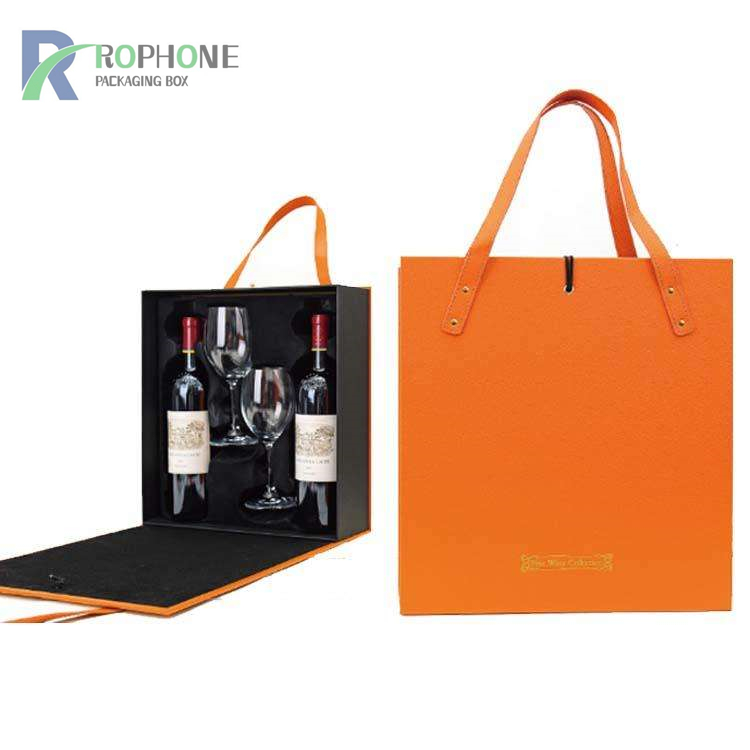
Table of Contents
- Why Is a Custom Wine Glass Gift Box Important?
- What Structure Makes a Wine Glass Gift Box More Protective?
- Which Materials and Finishing Options Can Be Customized?
- How Do Custom Inserts Protect Wine Glasses?
- How Can Packaging Strengthen Wine Brand Recognition?
- Where Can Custom Wine Glass Gift Boxes Be Used?
- What Should Buyers Consider Before Ordering?
- How Does the Customization Process Work?
- Frequently Asked Questions
Why Is a Custom Wine Glass Gift Box Important?
Wine glasses are fragile products that require more than attractive outer packaging. During transportation, storage, retail handling, and gift delivery, vibration, compression, impact, and friction can cause scratches, cracks, or breakage. A professionally engineered Custom Wine Glass Gift Box addresses these risks while also giving the product a premium presentation.
Unlike generic cartons, customized packaging can be designed around the actual dimensions and quantity of the wine glasses. The box structure, board thickness, internal support, surface finish, and printing can all be selected according to the product and target market.
For brands, this creates an important commercial advantage. Packaging becomes part of the customer experience rather than simply a transportation container. A rigid box with a carefully designed interior can immediately communicate quality before the customer even sees the glassware.
- Improves protection during shipping and storage
- Creates a premium gift-opening experience
- Supports customized brand identity
- Allows different wine glass configurations
- Provides greater flexibility for retail and promotional packaging
What Structure Makes a Wine Glass Gift Box More Protective?
Rigid box construction is particularly suitable for premium wine glass packaging because it provides greater structural stability than lightweight folding cartons. Rophone's product solution uses rigid grey board as a structural base, combined with wrapped outer paper and an inner lining. The manufacturing process can include board grooving, die-cutting, edge wrapping, surface mounting, and positioning bonding.
A flip-cover structure with a side fabric pull tab can further enhance the user experience. Instead of simply opening a conventional carton, customers receive a more refined presentation when the lid opens smoothly and the contents are revealed from a structured interior.
The box can also be adapted for different combinations, including a single wine glass, a pair of wine glasses, or a wine bottle combined with matching glasses.
| Design Element | Primary Function | Potential Benefit |
|---|---|---|
| Rigid grey board | Structural support | Improves stiffness and stacking stability |
| Custom inner insert | Glass positioning | Reduces movement and collision |
| Flip-cover structure | Easy opening | Creates a premium unboxing experience |
| Fabric pull tab | Opening assistance | Improves usability and presentation |
| Matte lamination | Surface protection | Helps resist fingerprints and everyday scratches |
Which Materials and Finishing Options Can Be Customized?
Material selection has a direct influence on packaging appearance, durability, cost, and environmental performance. A premium Custom Wine Glass Gift Box may combine a rigid board structure with specialty papers and customized interior materials.
For visual branding, manufacturers can provide CMYK printing and additional decorative processes such as hot stamping, silver foil stamping, embossing, debossing, UV effects, and lamination. These options allow wine companies to create packaging that matches their logo, corporate colors, product positioning, and seasonal campaigns.
- Rigid grey board: suitable for strong and stable box construction.
- Art paper: suitable for refined exterior presentation.
- Specialty lining paper: helps create a distinctive interior appearance.
- Matte lamination: provides a sophisticated visual effect and surface protection.
- Foil stamping: suitable for premium logos and decorative details.
- Embossing and debossing: adds tactile depth to brand elements.
Material thickness can also be adjusted according to product positioning. Premium projects may use thicker rigid board for enhanced texture, while high-volume promotional orders can be optimized around cost efficiency.
How Do Custom Inserts Protect Wine Glasses?
The internal insert is one of the most important components of fragile glassware packaging. A box may look premium externally, but without appropriate internal support, the wine glasses can still move during transportation.
A customized insert can be designed according to the actual shape and dimensions of the glass. Options such as CNC-cut EVA and flocked sponge can create dedicated slots that hold each glass securely. The insert may be configured around the stem, bowl, base, or other critical areas depending on the product design.
This approach minimizes unnecessary movement and friction. It is especially valuable for cross-border shipping, where packages may experience repeated handling, vibration, stacking, and changes in transportation conditions.
For buyers sourcing packaging from a China manufacturer, discussing the exact glass dimensions, quantity, shipping method, and insert requirements at the beginning of the project can help achieve a more reliable packaging solution.
How Can Packaging Strengthen Wine Brand Recognition?
Packaging is one of the first physical touchpoints between a consumer and a brand. A well-executed gift box can make an ordinary wine glass set appear more premium and help create a consistent visual identity across retail, corporate gifting, and promotional channels.
A customized logo can be combined with color printing, foil stamping, embossing, or other finishing effects. Contrasting exterior and interior colors can also create a stronger visual transition when the customer opens the box.
For wine brands, this is particularly useful when packaging is intended for:
- Premium wine gift sets
- Corporate gifts
- Holiday and seasonal campaigns
- Wine tasting promotions
- Retail gift collections
- Distributor and wholesale programs
- Wedding and event gifts
In this way, the packaging becomes an extension of the brand rather than an afterthought.
Where Can Custom Wine Glass Gift Boxes Be Used?
The flexibility of customized box structures makes them suitable for different product combinations and commercial applications. A single-glass package may require a compact protective insert, while a wine-and-glass set may need several independent compartments.
Typical applications include luxury wine gift sets, branded wine glasses, promotional campaigns, corporate gifting, hospitality products, wine retailers, and e-commerce orders. For exporters, rigid construction and customized inserts can also help improve package stability during international transportation.
Because the box dimensions and internal structure can be developed around the actual product, buyers are not restricted to one standard configuration.
What Should Buyers Consider Before Ordering?
Choosing a packaging supplier should involve more than comparing unit prices. Buyers should evaluate the relationship between product protection, material quality, visual presentation, customization capability, production consistency, and logistics requirements.
| Buyer Consideration | Questions to Ask |
|---|---|
| Box structure | Will the structure remain stable during stacking and transportation? |
| Insert design | Does the insert match the exact shape and dimensions of the glass? |
| Printing | Can the supplier reproduce the required logo and brand colors? |
| Surface finishing | Are lamination, foil, UV, embossing, or debossing available? |
| Material | Can board thickness and paper materials be adjusted according to budget? |
| Production | Can samples be confirmed before bulk manufacturing? |
| Export requirements | Can the packaging be prepared for international shipping and market requirements? |
How Does the Customization Process Work?
A professional packaging project normally begins with product information rather than box production. Buyers should provide the glass dimensions, quantity, preferred structure, artwork, material requirements, finishing preferences, estimated order volume, and shipping requirements.
- Product assessment: confirm glass dimensions, weight, quantity, and packaging configuration.
- Structural design: determine the box style, dimensions, opening method, and internal layout.
- Material selection: choose board, wrapping paper, lining, and insert materials.
- Artwork confirmation: check logos, colors, printing positions, and finishing effects.
- Sample development: produce a sample when required for structural and visual confirmation.
- Mass production: proceed with printing, die-cutting, mounting, assembly, and inspection after approval.
- Final inspection: verify dimensions, appearance, structure, insert fit, and packaging condition before shipment.
This structured workflow can reduce communication problems and help buyers obtain packaging that matches both their products and commercial objectives.
Frequently Asked Questions
Can a Custom Wine Glass Gift Box be designed for different glass sizes?
Yes. The box dimensions and internal insert can be customized according to the actual height, bowl diameter, stem dimensions, and base size of the wine glasses.
Can I add my wine brand logo to the gift box?
Yes. Customized printing and decorative finishing can be used for logos, patterns, brand information, and other visual elements. Options may include CMYK printing, foil stamping, UV effects, embossing, and debossing.
What type of insert is suitable for fragile wine glasses?
Depending on the product and protection requirements, customized EVA or flocked sponge inserts can provide dedicated compartments and help limit movement during transportation.
Is this type of packaging suitable for international shipping?
Yes. Rigid construction combined with a properly fitted protective insert can provide stronger structural support for export packaging. Material and insert specifications should be selected according to the transportation environment and destination-market requirements.
Can the box be used for a wine bottle and wine glasses together?
Yes. The internal layout can be configured for different product combinations, including a wine bottle with matching wine glasses or a paired wine glass set.
Can buyers request samples before placing a bulk order?
Sample development can be arranged when required so buyers can evaluate the structure, material, printing, finishing, and product fit before moving to mass production.
Conclusion
A Custom Wine Glass Gift Box can turn packaging into a practical protection system, a premium presentation tool, and a powerful branding asset. With rigid construction, customized inserts, flexible printing, refined finishing, and adaptable internal configurations, it can meet the needs of wine brands, retailers, distributors, corporate gifting programs, and international buyers. Rophone provides customized packaging solutions designed around product dimensions, brand requirements, material preferences, and order needs. If you are looking for a reliable packaging partner for your wine glass gift project, contact us to discuss your box structure, artwork, insert design, materials, sampling requirements, and bulk production plan.
Send Inquiry
-
WhatsApp
X
We use cookies to offer you a better browsing experience, analyze site traffic and personalize content. By using this site, you agree to our use of cookies.
Privacy Policy