- jeffchen@packagedbox.com
- +86-15767637578
- Language
 English
 Español
 Português
 русский
 Français
 日本語
 Deutsch
 tiếng Việt
 Italiano
 Nederlands
 ภาษาไทย
 Polski
 한국어
 Svenska
 magyar
 Malay
 বাংলা ভাষার
 Dansk
 Suomi
 हिन्दी
 Pilipino
 Türkçe
 Gaeilge
 العربية
 Indonesia
 Norsk
 تمل
 český
 ελληνικά
 український
 Javanese
 فارسی
 தமிழ்
 తెలుగు
 नेपाली
 Burmese
 български
 ລາວ
 Latine
 Қазақша
 Euskal
 Azərbaycan
 Slovenský jazyk
 Македонски
 Lietuvos
 Eesti Keel
 Română
 Slovenski
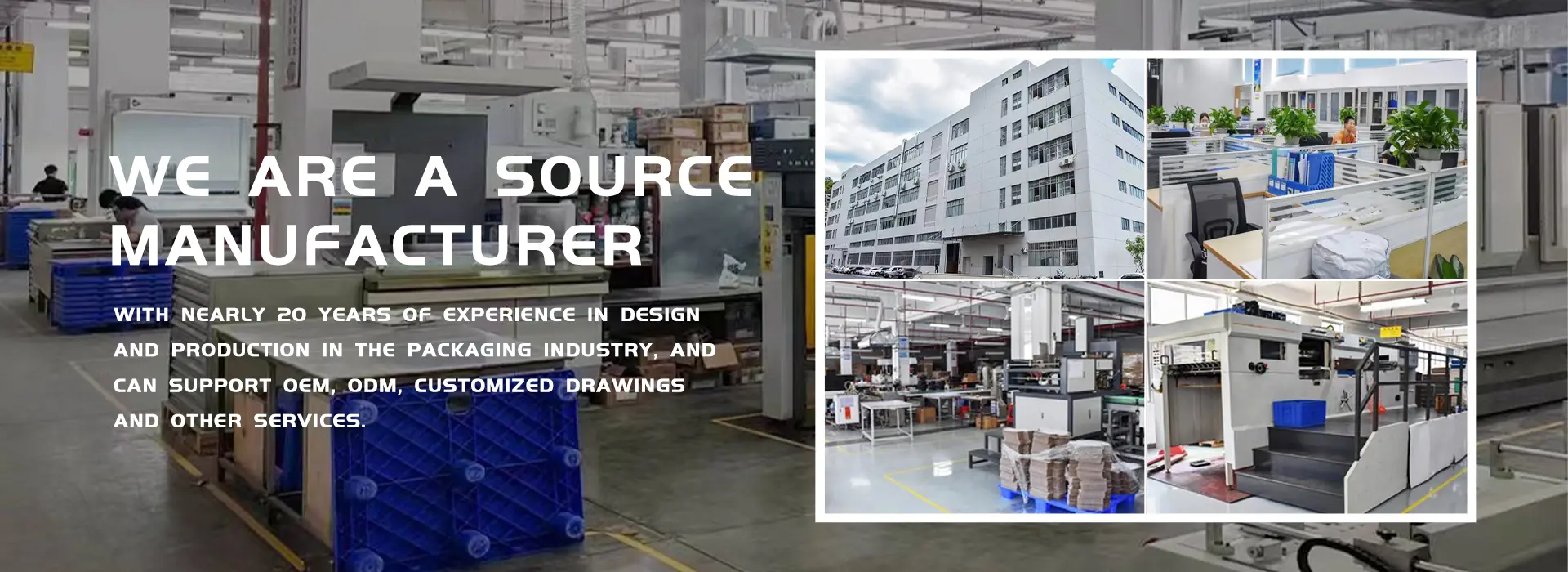
5 Ways a Video Greeting Card for Gift Box Beats Paper Cards in 2026
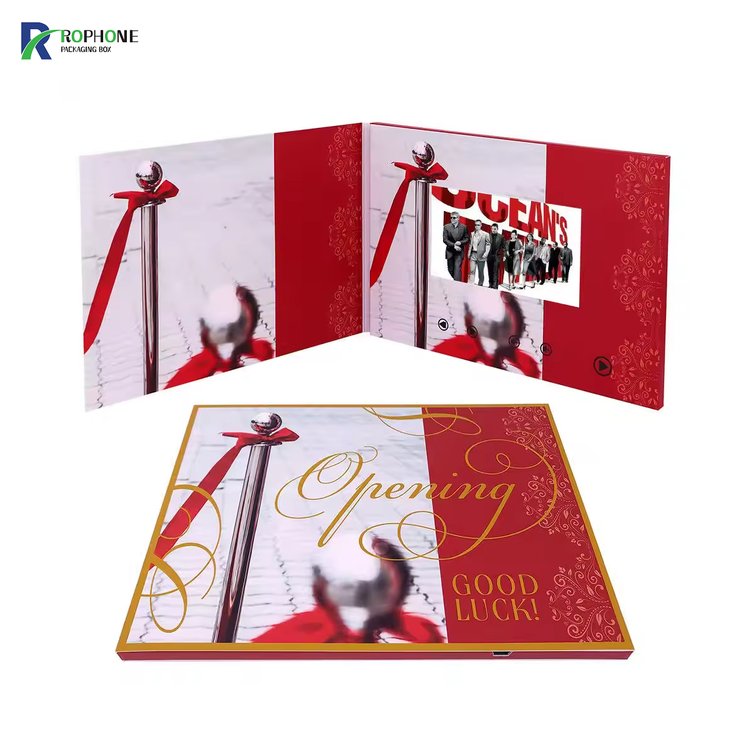
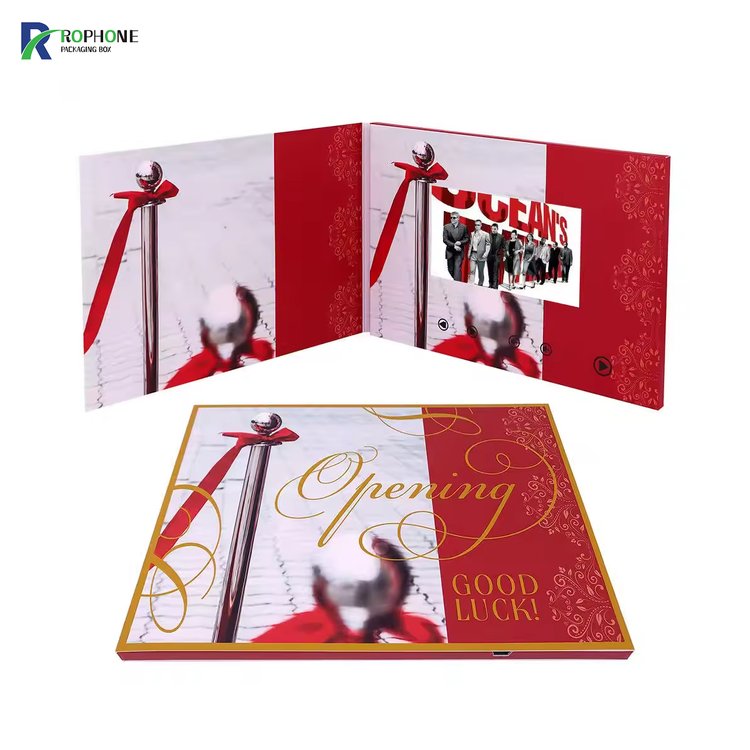
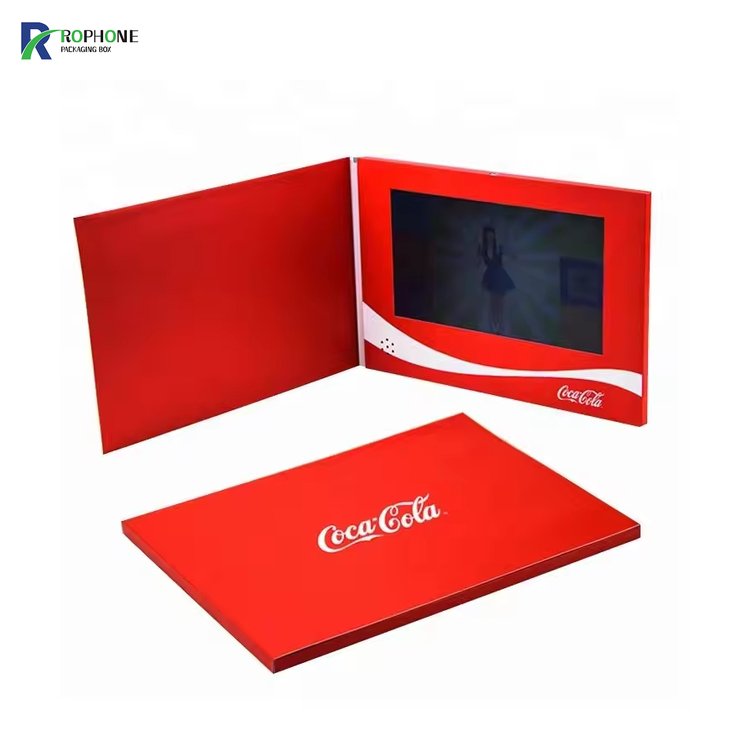
Paper greeting cards have been the default choice for decades, but the way recipients experience them has changed. A video greeting card for gift box combines the tactile quality of premium print with the emotional power of embedded video. Based on data from Rophone's manufacturing operations and client campaigns, here are five concrete reasons why interactive video cards are outperforming traditional paper in 2026.
1. Engagement Rate: 85% vs 2%
The most striking difference is engagement. When someone opens a gift box containing a paper card, they typically glance at it for 3 seconds before moving on. With an LCD video card, the magnetic sensor triggers instant playback, and the recipient watches the entire 60-90 second video 85% of the time. That is a 28x difference in attention. Brands that once mailed thousands of printed brochures are now mailing hundreds of video cards and seeing more meaningful interactions, because the medium demands attention in a way paper never could.
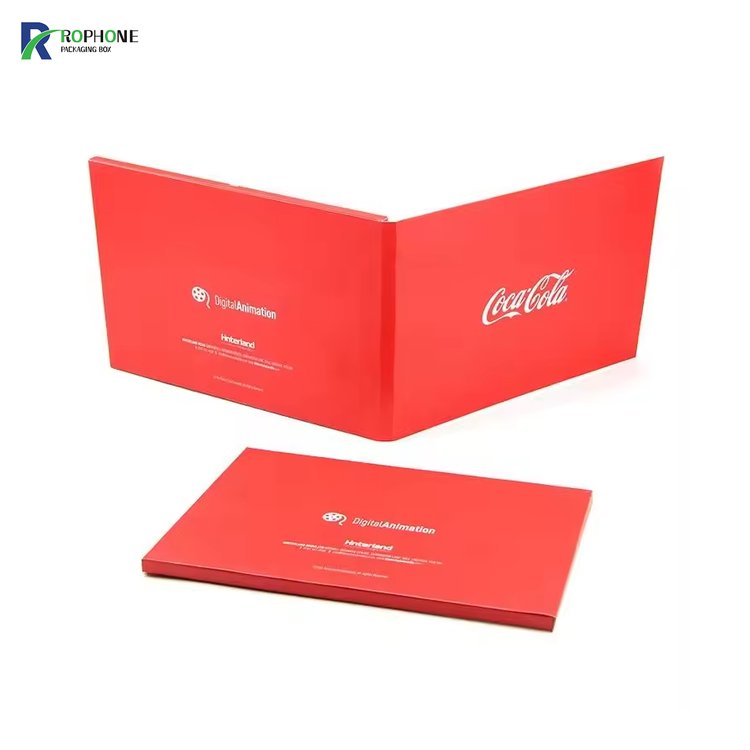
2. Emotional Impact: Video Conveys Tone and Presence
Words on a printed card cannot convey warmth, sincerity or personality the way a human face and voice can. A CEO thank-you message recorded on video feels personal; the same words printed on cardstock feel corporate and generic. This emotional difference is why luxury brands, financial advisors and nonprofit organizations are adopting lcd video greeting card for gift formats. Studies consistently show that video content increases emotional resonance by over 60% compared to text alone, and that emotional connection directly drives loyalty and repeat business.
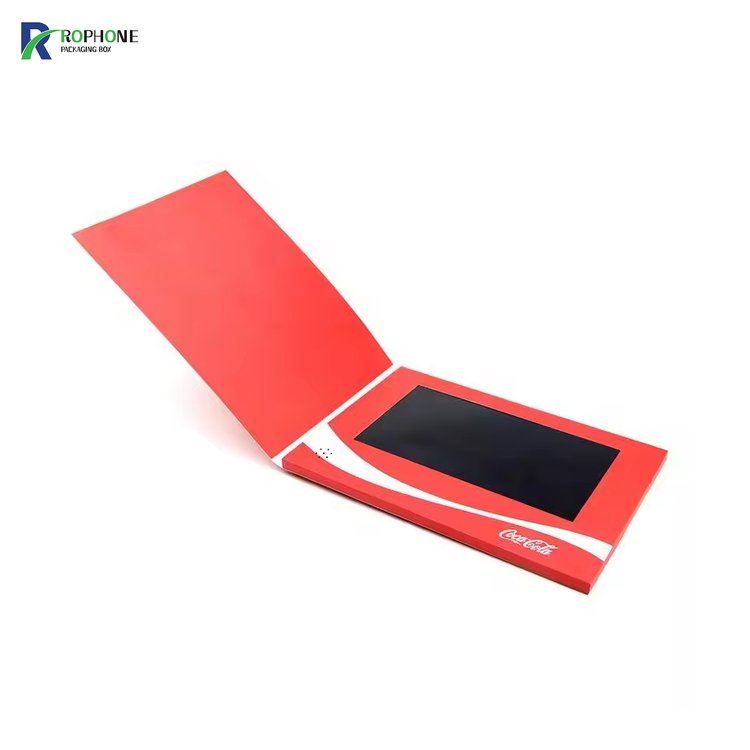
3. Cost Per Impression: More Expensive Upfront, Cheaper Per Second
It is true that a video card costs $5-15 per unit versus $0.50 for a premium paper card. But cost comparisons need to look at engagement time, not sticker price. A paper card delivers 3 seconds of attention for $0.50, working out to roughly $600 per hour of attention. A video card delivers 90 seconds of focused attention for $10, which works out to about $400 per hour. Factor in the higher response rate (15-20% vs 2%), and the video brochure card for gift box delivers a lower cost per qualified response, even at a higher upfront price.
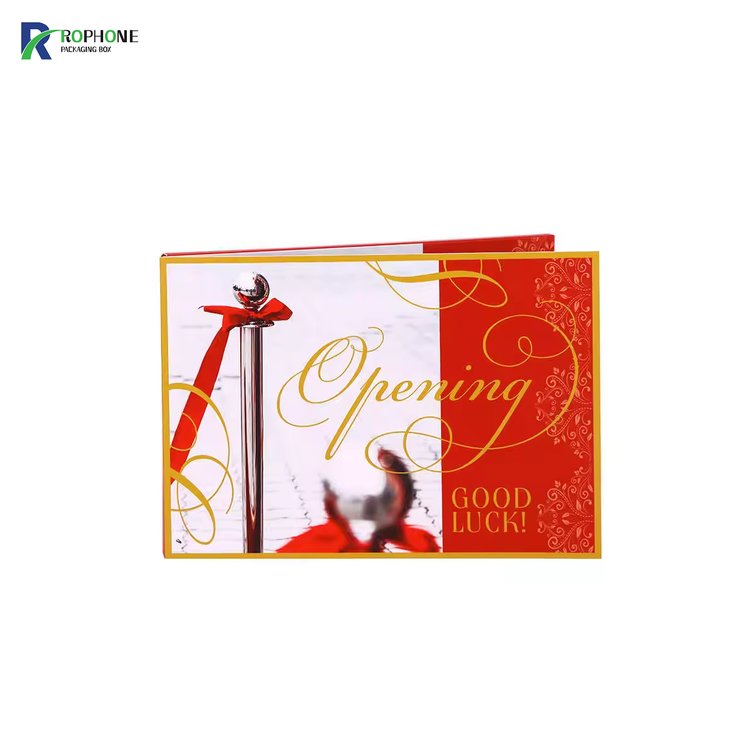
4. Shareability: Recipients Film and Post the Moment
Paper cards get tossed in a drawer or recycling bin. Video cards get shared. It is common for recipients to film the unboxing moment and post it on Instagram Stories, WeChat Moments or TikTok. This organic social extension multiplies the reach of the campaign at zero additional cost. Rophone has tracked campaigns where a 500-card mailing generated over 5,000 social impressions through recipient shares alone, effectively turning each recipient into a brand advocate.
5. Brand Recall: Months Later, People Remember the Video
A printed brochure is forgotten within days. A video card sits on a recipient's desk, and they rewatch it for weeks or months as colleagues and visitors ask about it. The battery lasts through hundreds of playbacks, and the card remains a physical reminder of the brand long after the gift was received. This extended brand exposure is impossible with disposable paper mail, and it is the reason brands see lasting lift in recall and inquiry rates months after a video card campaign concludes.
6. Getting Started with Rophone
Rophone offers free sample cards so brands can experience the difference firsthand. With MOQ starting at 500 units and 15-20 day production, switching from paper to video is simpler than most brands expect. Request a sample pack through our website and see the five differences for yourself.
Send Inquiry
-
WhatsApp
X
We use cookies to offer you a better browsing experience, analyze site traffic and personalize content. By using this site, you agree to our use of cookies.
Privacy Policy